Culture Between Walks
City breaks are the most densely packed holiday format. They provide constant stimulation, combining deep historical engagement with the physical reality of navigating paved grids, stairs, and public transport hubs. They require a specific energy: the stamina to walk hard pavements for several hours a day.
The Urban Trade-Off
While you gain immediate access to world-class art, dining, and architecture, you trade away tranquility. Urban pacing is inherently structured. To successfully navigate a city holiday without exhausting yourself, you must intersperse intensive walking with structured rest—usually found in local cafés or parks.
Vienna: The Imperial Grid
Innere Stadt & The Ringstraße
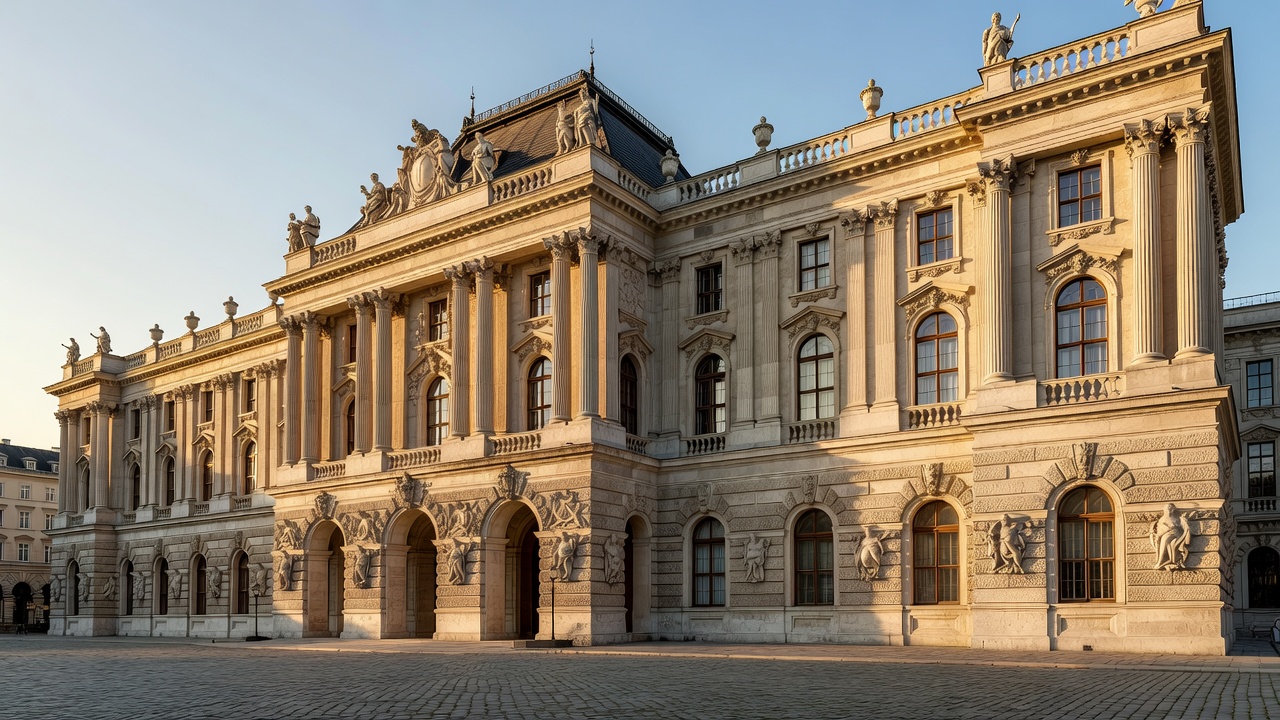
Vienna operates on an efficient, historic layout. The grand Ringstraße encircles the inner city, providing a clear boundary for cultural exploration. Walking from the Hofburg to the MuseumsQuartier is visually stunning but physically demanding on hard stone surfaces.
The Viennese Coffee House Routine
To survive the urban pace, adopt local resting habits. The traditional Viennese coffee house acts as a living room. It is a necessary buffer zone where you can sit for an hour to recover physical energy without feeling pressured to move on quickly.